Endo belly: why bloating is not always about food
When bloating isn’t about what you ate
Perhaps you have an office meeting or lunch with friends planned, and the clothes you put on that morning suddenly feel uncomfortable. It is understandable to wonder what you ate. But what if the bloating started before lunch, or it appears on days when you eat your usual foods?
That is why I like to take a step back before recommending a list of foods to avoid. “Endo belly” is a term people use for bloating or visible abdominal swelling associated with endometriosis. It isn’t a formal medical diagnosis, and there isn’t one single cause. Let’s look at what may be going on and what information can help you get the right support.
What do people mean by endo belly?
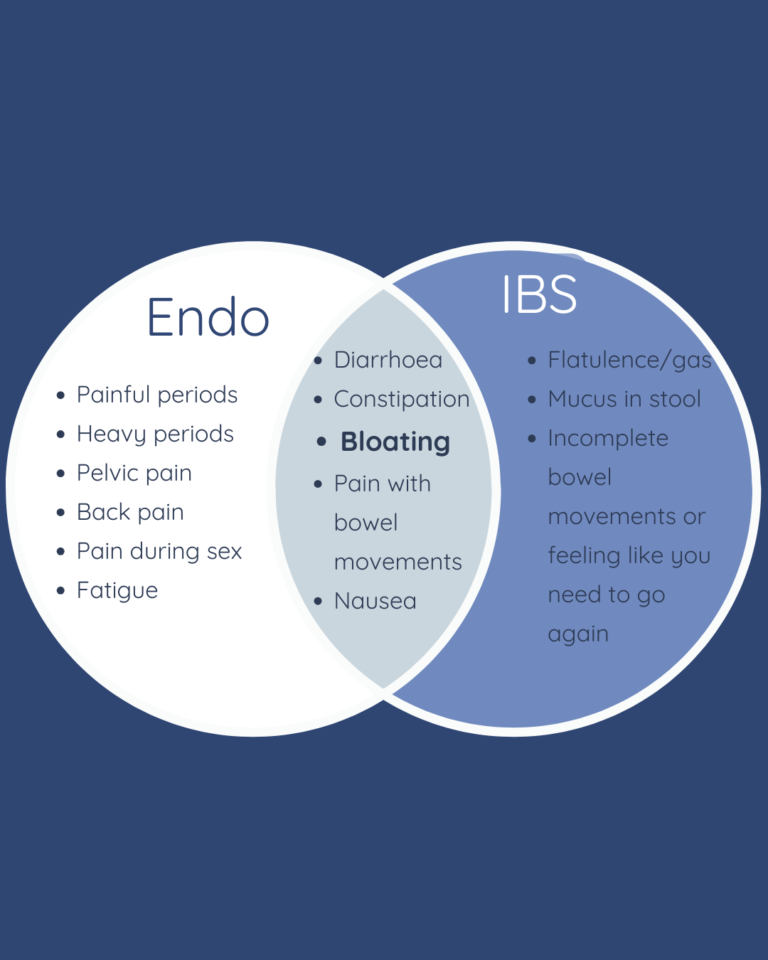
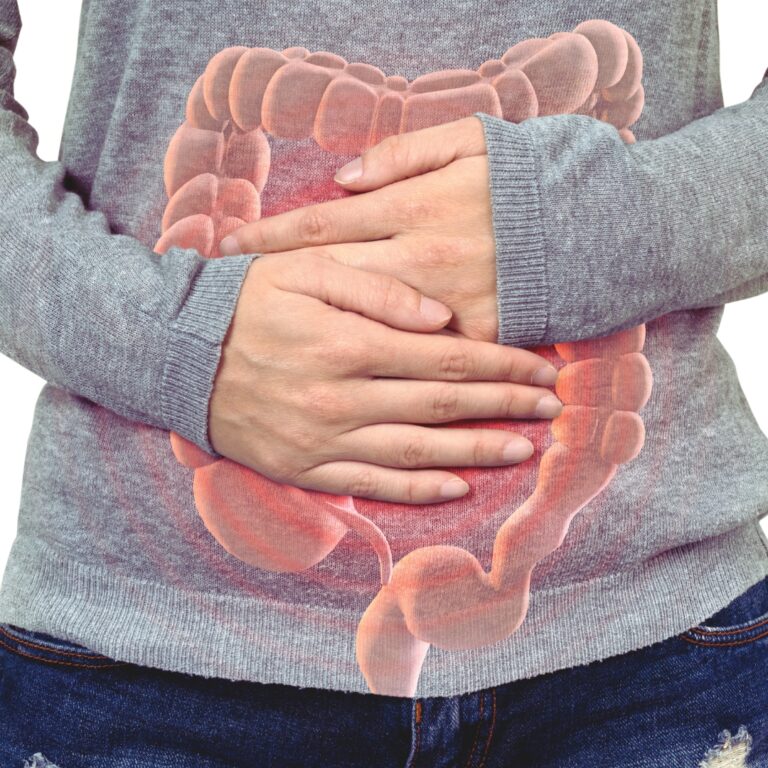
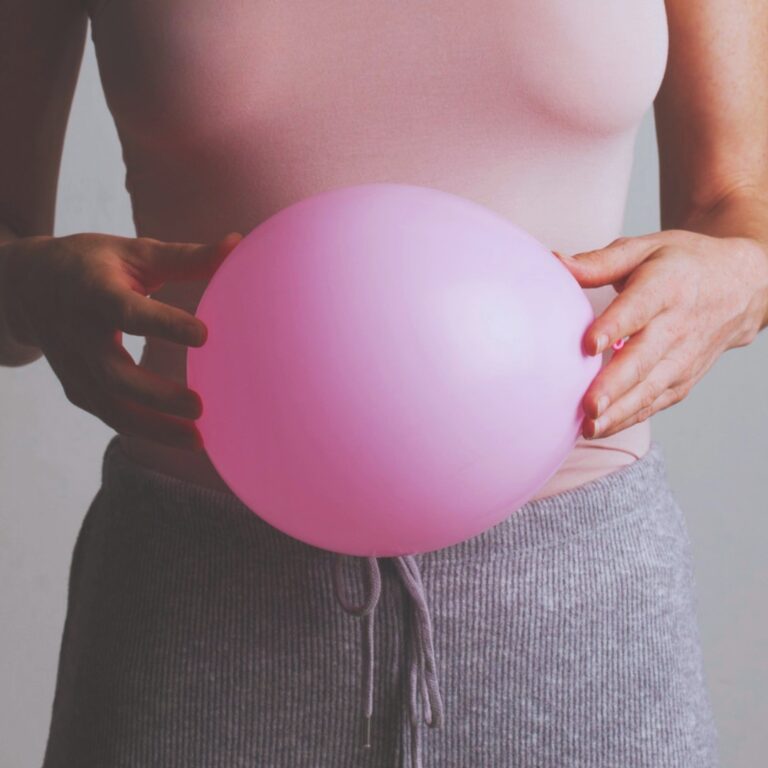
Some people mean a feeling of fullness or pressure, which we call bloating. Others notice visible abdominal distension: their abdomen looks larger, or their clothes become uncomfortable. You may experience both, along with pain, nausea, gas or changes in bowel habit. These symptoms can disrupt meals, exercise and plans, even when other people cannot see what is happening.
Could it be something other than food?
Yes. Constipation, loose stools or feeling that you have not fully emptied after a bowel movement are all worth discussing. Your gut and pelvic nerves can also become more sensitive, making normal amounts of stretch feel uncomfortable. Endometriosis-related inflammation, cycle-related changes and coexisting IBS may play a part. Medicines and a change in routine can affect bowel habits too.
Food can still matter. Certain foods or portions can increase gas or make symptoms worse for some people. The point is that a symptom after a meal does not, by itself, tell us which food is responsible. If you remove several foods at once, it becomes harder to learn what helped, and eating may become unnecessarily restrictive.
A practical example
Imagine that you feel comfortable when you wake, but by mid-afternoon your abdomen feels tight. On some days this follows lunch; on others it happens before you have eaten. You also notice harder stools and less frequent bowel movements during a busy week. It would be easy to blame the lunch you happened to eat on a bad day. Looking at the wider pattern may point instead to bowel habits, a change in routine or several factors together.
This is why it helps to look at the pattern across the day, rather than blaming one meal. In this example, constipation and a change in routine are worth exploring alongside food. Notice whether you feel bloated, can see your abdomen swell, or experience both. That distinction can help you explain your symptoms when you speak to a health professional.
What should I notice first?
For a week or two, make a few brief notes. You can use my Symptom and Pattern Tracker to record what you notice. Consider the following:
- Is it a feeling of pressure, a visible change, or both?
- When does it begin and how long does it last?
- How often are you opening your bowels? Do you have hard stools, loose stools or a mixture of both? Do you feel fully emptied?
- Does the pattern change around your period, after a bowel movement or with a change in routine?
These details can help a GP or dietitian ask more useful questions. If you notice blood in your stool, unexplained weight loss, or a new or worsening change in bowel habit, speak to your GP rather than assuming it is part of endometriosis.
What happens after I have noticed a pattern?
Bring a short summary to your healthcare professional: your main symptom, how often it happens, any change in bowel habit and what you most want to be able to do again. You might want to get through an office day in comfortable clothes or enjoy a meal with friends without spending the rest of the evening worrying about your gut. These everyday goals can help shape a plan that works for you.
Your GP can consider whether symptoms need investigation or referral. A dietitian can review bowel habits, eating patterns and whether any dietary trial has a clear purpose. If you already avoid several foods, mention that at the start. The aim is to find an approach that helps while still allowing you to eat well.
The bottom line
Endo belly is real, but it is not always a food problem. Understanding your own pattern is a more helpful starting point than cutting out another food group. If you would like individual support with endometriosis and gut symptoms, you can book a free Discovery Call or email me at laura@theendometriosisdietitian.com.
References
- NICE. Endometriosis diagnosis and management, NG73, updated 2024. https://www.nice.org.uk/guidance/ng73
- Population cohort. Associations and gastrointestinal symptoms in women with endometriosis compared with IBS. BMC Women’s Health, 2023. https://pmc.ncbi.nlm.nih.gov/articles/PMC10316551/
This article is for general education and does not replace individual medical or dietetic advice.