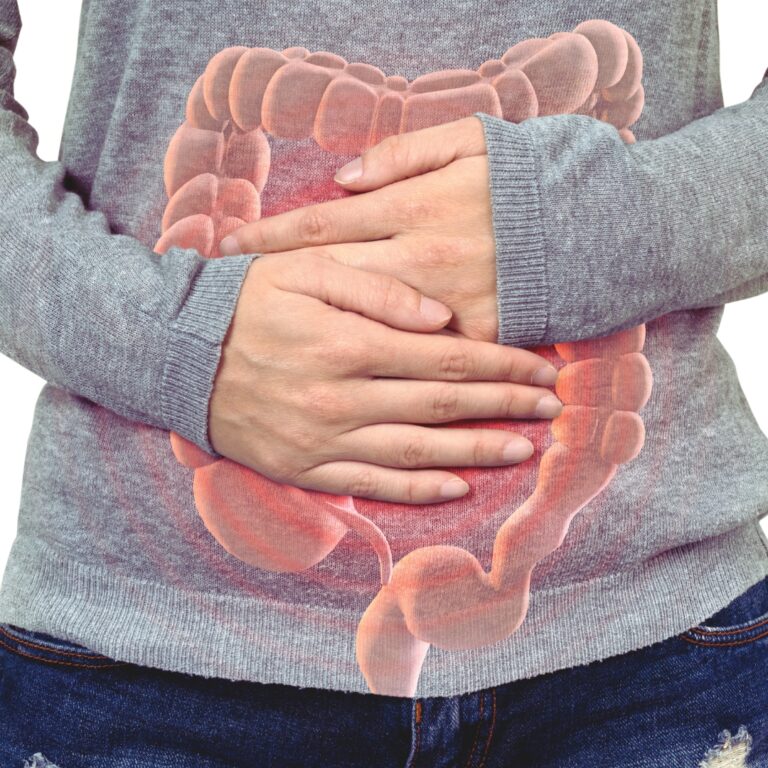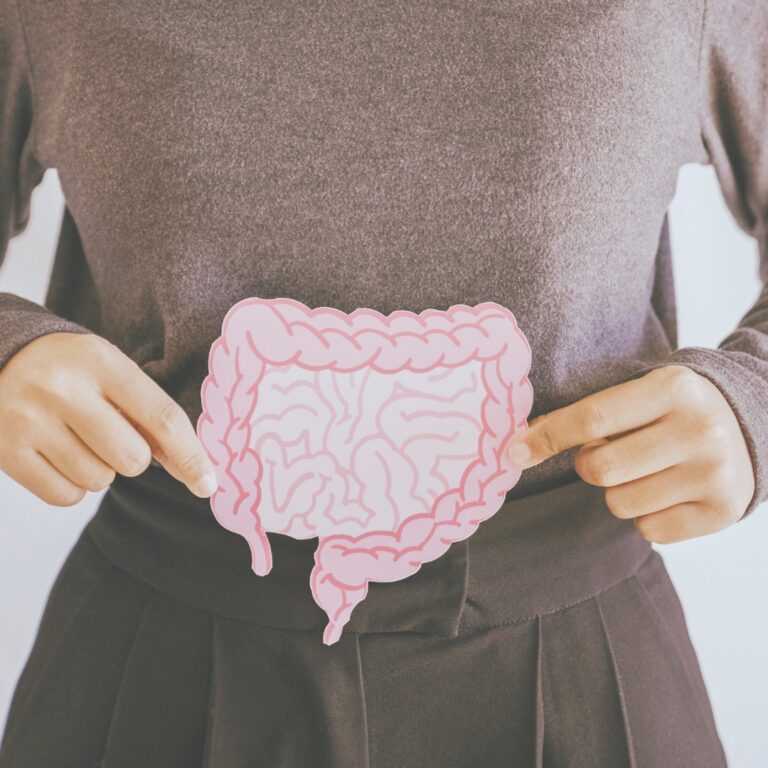
Why am I bloated when I’m eating well?
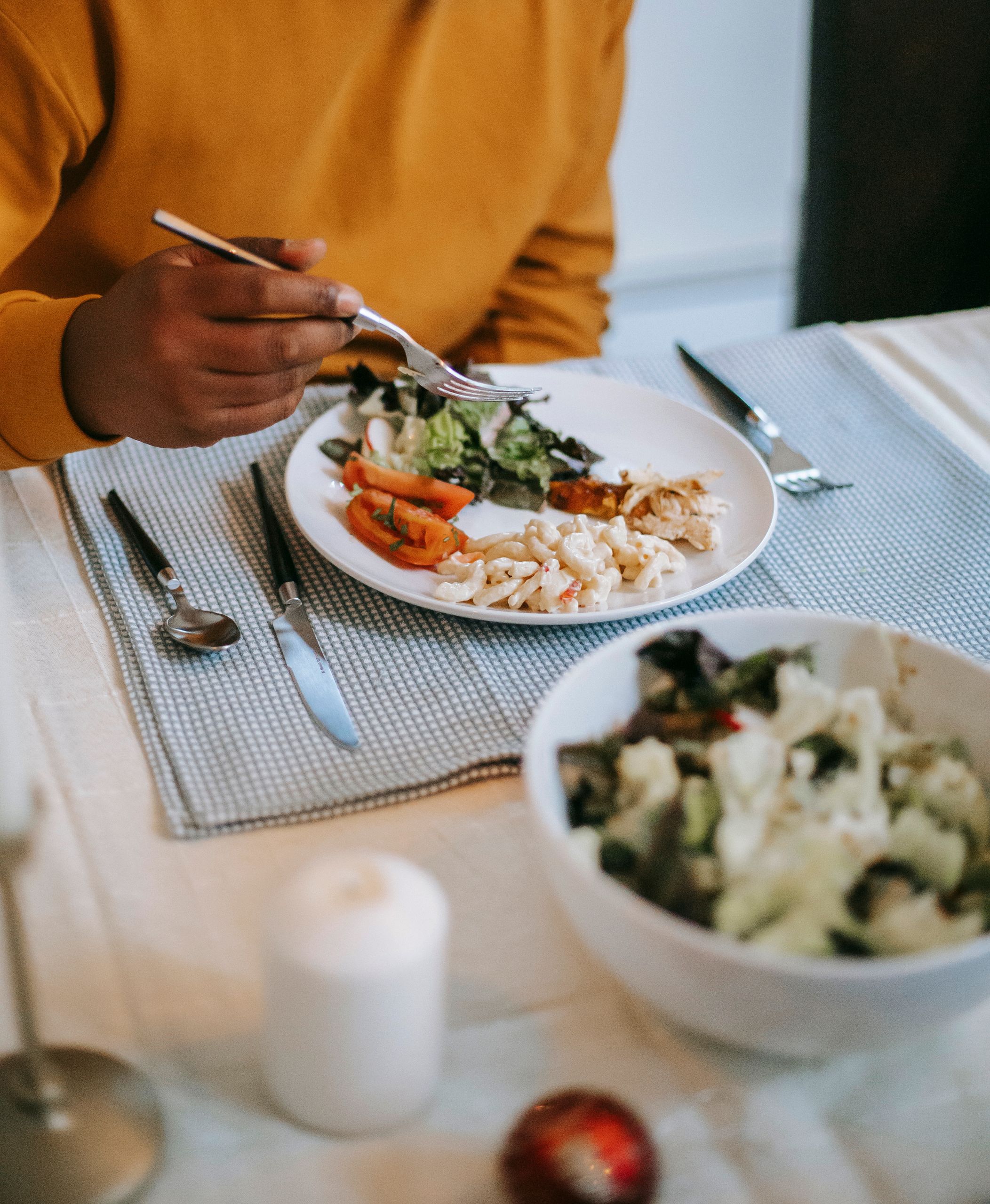
When eating well leaves you bloated
Perhaps you’ve started adding more vegetables, beans, fruit or wholegrains to your meals, expecting to feel better. Instead, your tummy feels more uncomfortable, and you’re left wondering why foods you thought would help seem to make things harder.
It can be frustrating when a change you made to support your health seems to make your gut symptoms worse. But it does not mean you have done anything wrong, and it does not automatically mean those foods need to disappear from your diet.
A food can be nutritious and still feel uncomfortable in a particular amount or situation. The useful question is what has changed and whether a smaller adjustment might help.
Have you increased your fibre quite quickly?
Fibre is an important part of a varied diet, but going from relatively little fibre to much more in a short time may increase gas or bloating. You might notice this if you have changed several meals at once. For example, you may have added beans to lunch, chosen wholegrains more often and increased your vegetable portions in the same week.
That does not tell you which, if any, of those foods you need to avoid. It may simply be difficult to work out what suits you when everything changes together.
I would usually start by looking at your usual intake and what you have added. Introducing changes more gradually, and noticing how you respond, may be more useful than deciding that high fibre foods are off limits. The type of fibre matters as well as the amount, particularly if constipation or loose stools are part of your symptoms.
Does the portion make a difference?
Sometimes the question is not “Can I eat this food?” but “What amount feels comfortable for me?”
A large serving of a food, or a meal that is much bigger than you would usually eat, may feel different from a smaller portion. Some carbohydrates are also fermented in the large intestine and can contribute to gas and bloating in people with a sensitive gut. Their effects can depend on the amount eaten and what else is in the meal.
This does not mean you need to measure every ingredient. It means there may be options between eating a large portion and removing a nutritious food completely.
What if symptoms start straight after eating?
Timing can be misleading. If you feel crampy or need the toilet within minutes of finishing a meal, it is easy to blame the ingredients you have just eaten. But it takes time for that meal to travel through your digestive system, so symptoms within minutes do not necessarily point to the food you just ate.
Eating naturally stimulates movement in the colon. This is known as the gastrocolic reflex. Your bowel responds to the meal by moving along contents that were already there. In someone with a sensitive gut, that movement may be more noticeable or uncomfortable.
The meal can still affect how you feel. For example, its size may matter. But symptoms immediately after eating do not prove that a particular ingredient in that meal is the cause.
What are your bowel habits like?
Before changing your food choices again, consider what is happening when you open your bowels. Are your stools hard, loose or variable? Do you strain or feel that you have not fully emptied? Does discomfort change after a bowel movement?
Constipation and difficulty emptying can contribute to a feeling of fullness and bloating. If you feel uncomfortable after many different meals, your bowel pattern is particularly important to discuss rather than building a long list of foods to avoid.
These questions can help us understand what may be contributing to your symptoms and decide which changes are worth trying.
Do you need to avoid fermentable foods?
Not as a blanket rule. A structured low FODMAP diet may improve gut symptoms for some people with endometriosis who have troublesome gastrointestinal symptoms. But it is a targeted approach used for a limited time, followed by reintroduction and personalisation. It is not a permanent list of foods everyone with endometriosis should avoid.
For another person, the more useful starting point might be a gradual change in fibre, reviewing constipation or adjusting meal size. The best choice depends on the symptom you are trying to improve and what you have already tried.
Where should you start?
If a nutritious food seems to leave you uncomfortable, you could ask yourself:
- Did I introduce several changes at once?
- Was this portion different from my usual one?
- Does the same thing happen repeatedly?
- What are my bowel movements like?
- Did symptoms begin immediately or later?
A few brief notes are enough to start a useful conversation. You do not need to track every mouthful or stop eating a food after one difficult day.
If you’ve already cut out several foods, that’s something I’d want to know when we work together. It can help us decide whether any of those foods could be brought back into your diet.
The bottom line
Eating well and feeling comfortable do not always line up straight away. That does not make nutritious foods “bad”, and it does not mean you should ignore symptoms that are affecting your day.
Understanding the amount, timing, bowel pattern and changes you have made can help you find a more individual approach. The aim is to support gut comfort while keeping room for food variety.
If bloating is persistent, worsening or different from your usual pattern, speak with your GP. If you’re finding it hard to know what to eat, or your list of avoided foods keeps growing, I can help you make sense of your symptoms and find a more flexible way forward.
Explore my Endo Clarity packages or book a free Discovery Call to see whether working together feels right for you.
References
- NICE: Irritable bowel syndrome in adults, dietary management
- Monash University: Timing of gut symptoms
- EndoFOD randomised controlled trial
This article is for general information and does not replace individual medical or dietetic advice.